
For young runners, training can easily become focused on one question: how much running should they be doing?
Strength training introduces another question. Should young runners be lifting weights? Should they be doing gym programmes? Does strength make them faster? And how much is actually necessary?
The answer is less complicated than the way strength and conditioning is sometimes presented.
Young runners do not necessarily need complicated strength programmes. They need appropriate physical development that supports their running and prepares them for the demands of the next stage of their development.
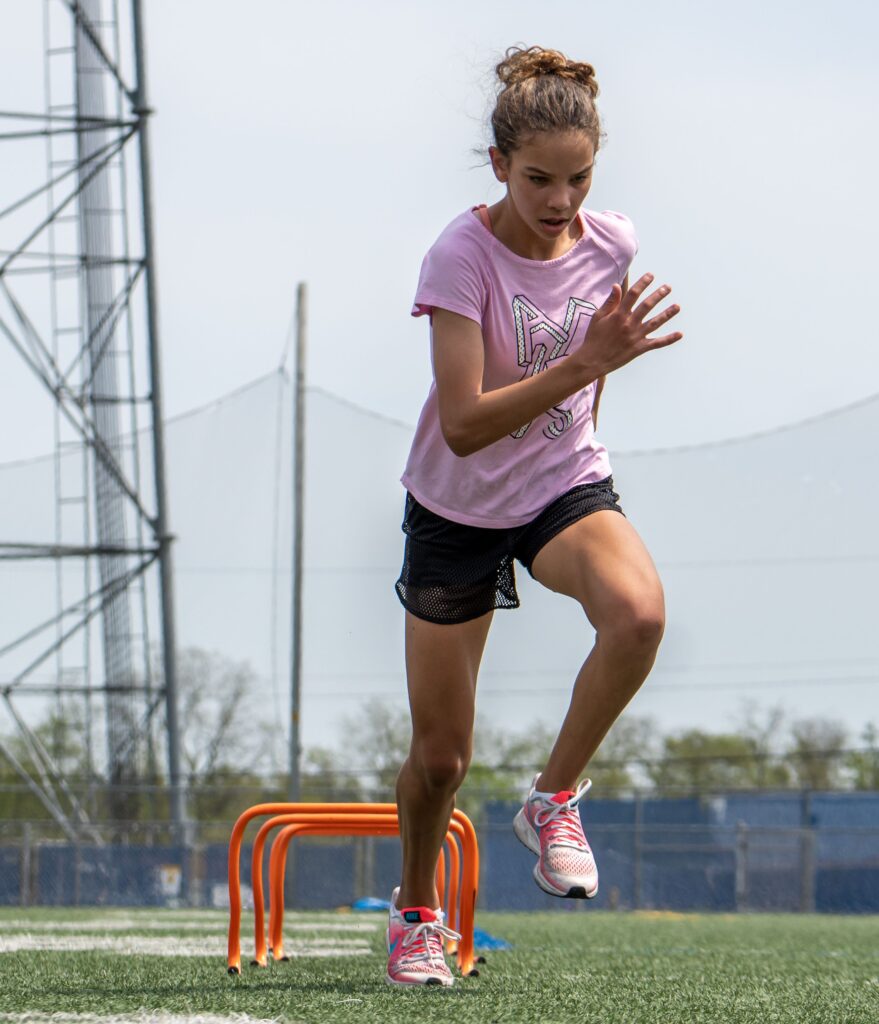
Strength training is part of development, not the objective
A young athlete is not only developing their running ability. They are also developing coordination, balance, strength, power, movement control and the ability to produce and absorb force.
This gives strength training a useful place within youth athletics. It means that developing physical capacity should be considered alongside running when coaches look at the athlete as a whole.
Strength training can be useful. But the programme needs to match the athlete.
The young athlete does not need to copy an elite runner
This is perhaps one of the easiest mistakes to make. Professional and elite athletes regularly share their training online. Young runners can see what international athletes are doing in the gym and assume that the same exercises, loads and training frequency should form part of their own programme.
So the useful lesson isn’t:
“This is what an elite runner does in the gym.”
It is:
“What physical quality is this training designed to develop, and what does this particular athlete need?”

More strength is not automatically better
Once strength training becomes part of an athlete’s programme, it can become tempting to measure progress by how much more the athlete can lift.
More weight.
More repetitions.
More exercises.
More sessions.
But an athlete’s strength programme does not exist in isolation. They also have running sessions, competitions, school, recovery, sleep and the normal demands of growing up. Adding more training simply because an athlete can tolerate it does not necessarily mean they will benefit from it.
What can strength training contribute to running?
Strength and power development can contribute to running performance, but the method and the athlete’s stage of development matter.
What should a young runner actually develop?
Depending on the athlete, useful physical-development priorities might include:
- basic strength;
- single-leg control;
- balance and coordination;
- hip and trunk strength;
- ankle and calf capacity;
- landing and jumping skills;
- the ability to produce and control force;
- general athletic movement.
For one athlete, the priority may simply be learning good movement patterns. For another, it may be progressively developing strength. For another, the athlete may already have adequate strength and need to develop a different quality. This is why a youth strength programme should begin with the athlete’s needs rather than the exercise list.
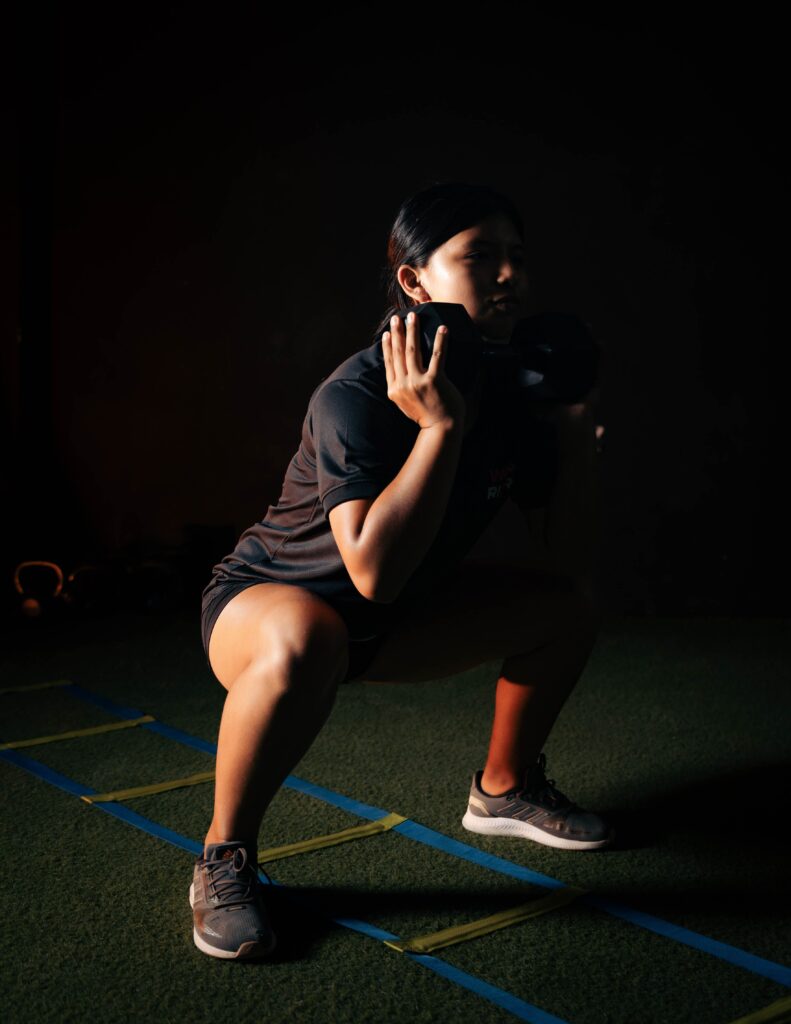
Strength training should support the runner
The objective is to develop physical qualities that help the athlete participate, train and progress in athletics. That might involve resistance exercises, bodyweight exercises, jumping, movement drills or other forms of physical preparation.
Good athlete development involves deciding what the athlete needs now, not trying to develop everything at once.
What parents should look for
Parents can ask:
- Is the programme appropriate for the athlete’s age and development?
- Is technique being taught properly?
- Is progression gradual?
- Does it fit with the athlete’s running programme?
- Is the athlete recovering adequately?
- Is the programme helping develop the athlete rather than simply adding more training?
Takeaway
For athletes: Strength training should help you become a better athlete, not simply a stronger person in the gym.
For coaches: Start with the athlete’s needs and stage of development rather than copying a standard programme.
For parents: A good youth strength programme does not need to look like an elite athlete’s gym routine. Appropriate, progressive development is more important than impressive numbers.
For FFA, the broader lesson is that athlete development is about building the right qualities at the right time. Strength matters, but strength training should support the athlete’s development rather than become the definition of it.
Sources & Further Reading
- Bergeron, M. F. et al. (2015). International Olympic Committee consensus statement on youth athletic development. British Journal of Sports Medicine. Read the IOC consensus statement
- Lesinski, M., Prieske, O. & Granacher, U. (2016). Effects and dose-response relationships of resistance training on physical performance in youth athletes: A systematic review and meta-analysis. British Journal of Sports Medicine. Read the systematic review
- Berryman, N. et al. (2024). Systematic review and meta-analysis examining the effects of strength training on running economy and related performance measures. Read the research
- Blagrove, R. C., Howatson, G. & Hayes, P. R. (2018). Effects of Strength Training on the Physiological Determinants of Middle- and Long-Distance Running Performance. Sports Medicine. Read the review
- Emery, C. A. et al. Research examining exercise-based injury-prevention programmes in youth sport. Read the systematic review