Your Child Is Fast Now, What Happens Next?
FFA Athletics Journal | Grant Pedro
A child runs fast at school. A coach notices. A parent starts wondering: Could my child be a serious athlete? It is a natural question but there is another question that may be more important: What happens next?
Being fast at 11, 13 or 15 does not automatically mean an athlete will become a successful senior sprinter. It also does not mean that a child who is not currently the fastest will not develop into one. Youth athletics is a development process.
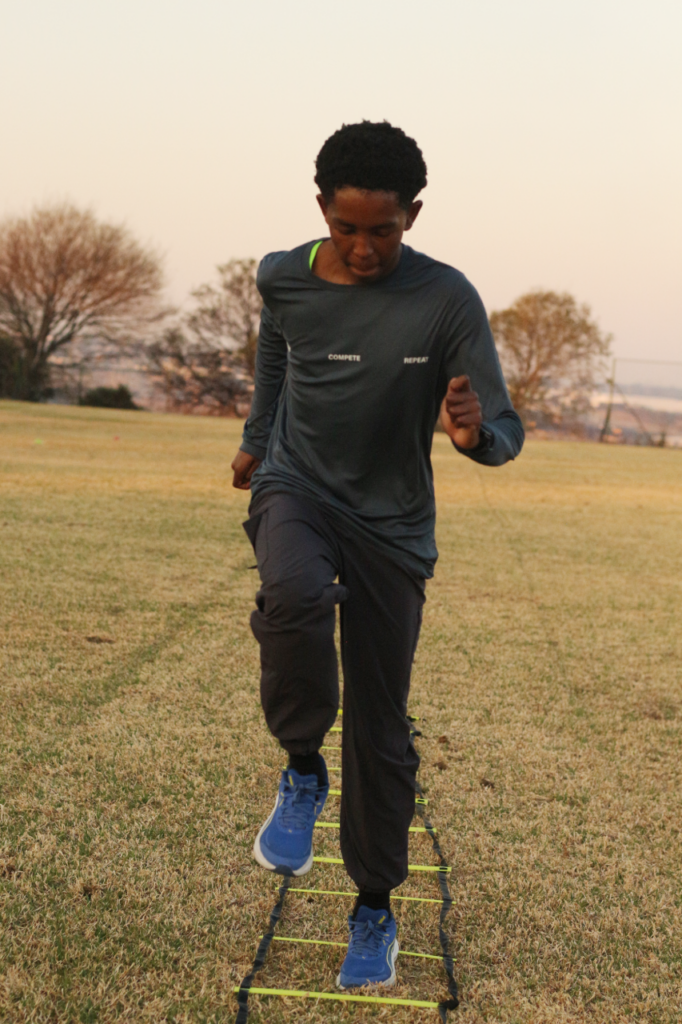
Early speed is only part of the picture
Young athletes develop at different rates. Some children mature earlier and become physically stronger and faster sooner. Others develop later and may only begin to show their potential several years down the line.
Research examining youth sprint performance has found substantial differences between athletes at different stages of biological maturity. Sprinting performance generally increases as athletes mature, meaning that comparing young athletes purely by their current times can sometimes give an incomplete picture.
This matters for parents because a child who wins every race at 12 is not necessarily guaranteed to be the best athlete at 18. Likewise, a child who is currently being beaten by physically more mature competitors should not automatically be written off. Development takes time.
So what should parents look for?
Instead of asking only, “How fast is my child?”, it can be useful to look at several other things.
1. Does your child enjoy training?
A young athlete who enjoys learning, practising and competing has something valuable to build on.
2. Are they learning how to run?
Young athletes do not need complicated programmes, but opportunities to learn instead.
3. Are they becoming more consistent?
Parents can look for questions such as:
- Is the athlete training consistently?
- Are performances gradually improving?
- Are they learning from races?
- Are they responding to coaching?
- Are they becoming more disciplined?
- Can they handle setbacks?
These qualities may not appear on a stopwatch immediately. They can nevertheless become important parts of an athlete’s development.
More training is not automatically better
A young athlete does not necessarily need to train like an adult elite athlete.
The appropriate training stimulus depends on the athlete’s age, experience, development and individual circumstances.
The lesson for parents: Training should have a purpose. The answer is not always more sessions, more exercises or harder workouts.

Development is bigger than the stopwatch
The stopwatch is useful because it gives coaches something measurable, but it cannot tell the whole story.
Young athletes need to be viewed as developing people rather than finished products.
The goal should be to build the athlete
That requires observation, patience, appropriate training and it requires a pathway.
The athlete can learn how to train.
They can learn how to compete.
They can learn how to respond when things do not go according to plan.
And, importantly, they can develop without feeling that every race is a judgement on their future.

The recent World U20 Championships in Oregon provided another reminder of just how long the development journey can be. The championships brought together 1,659 athletes from 137 countries, with some of the leading competitors already having experience at previous junior championships.
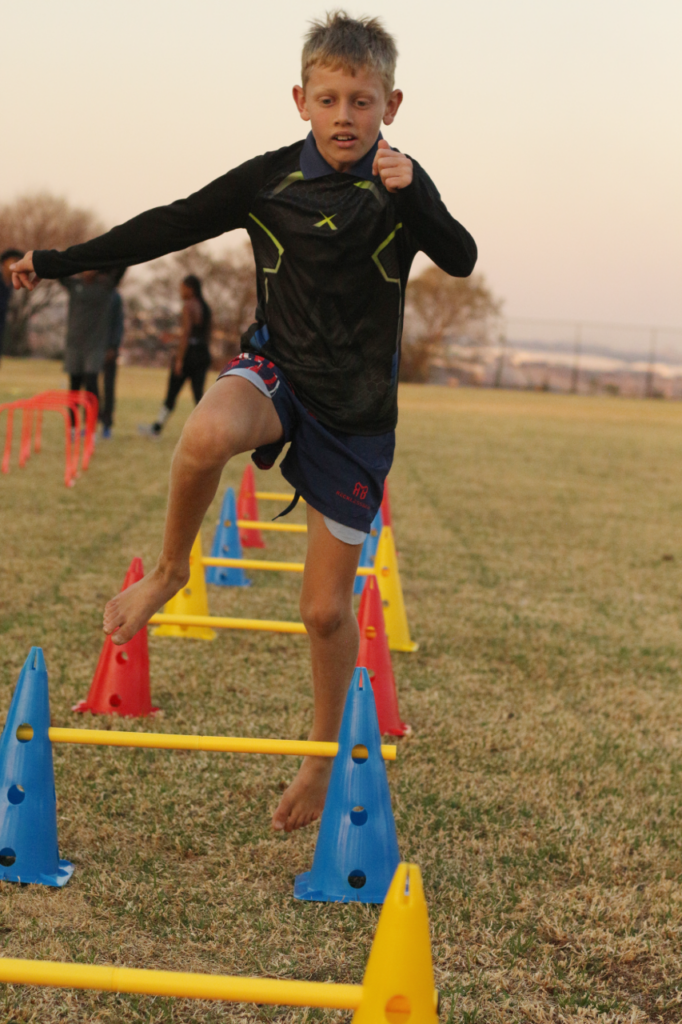
The next step matters
Your child may already be fast or not, but they may enjoy running and want to find out what they can achieve and that is enough to start.
Think your child has potential but not sure where your child stands?
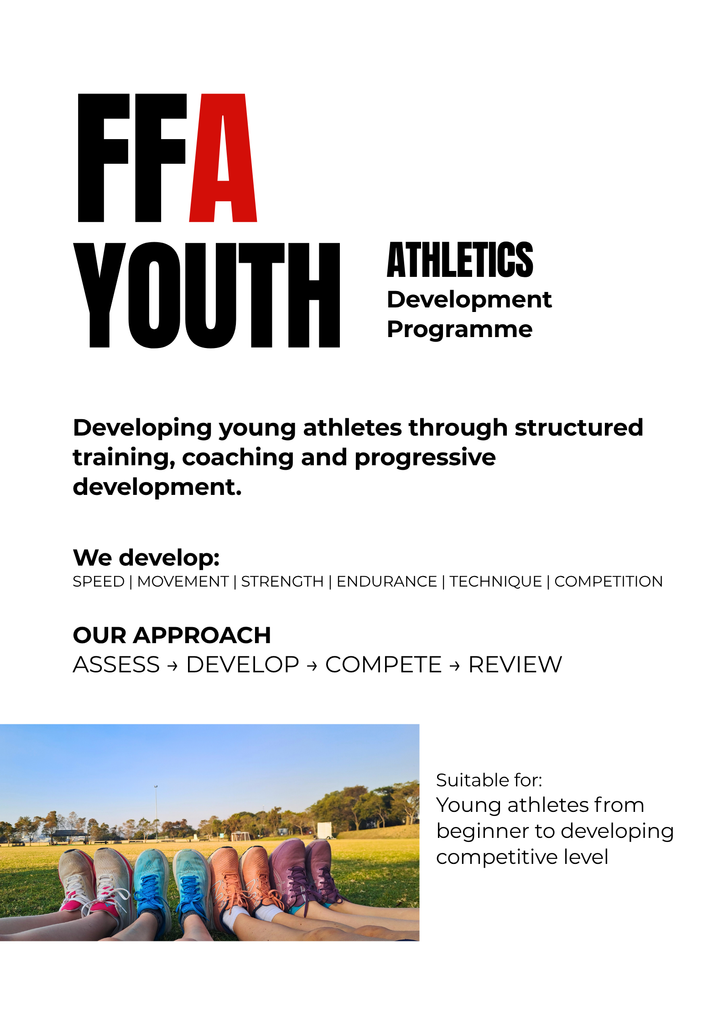
Developing athletes, one stage at a time.
From Our Store

FFA Racer Running Vest
Lightweight FFA racer running vest with a bold red, black, and white design. Built for comfort, breathability, and performance on race day or during training.
Sources & Further Reading
- World Athletics — World U20 Championships Oregon 26: results and competition information.
- Maturity and youth sprint performance — systematic review and meta-analysis.
- Variation in responses to sprint training in male youth athletes — meta-analysis.
- The effect of repeated-sprint training on performance outcomes in youth athletes — 2026 meta-analysis.
Leave a Comment